BE CAREFUL with old fonts, even if they are good! Group/Independently Regulated
-
Now I understand the hype that some sources had at the beginning of the haswell that said "Haswell Ready". I thought it was more of a publicity stunt than anything else. Well, look, nothing has ever died on me even with the sources prior to the haswell on those machines. It's also true that the sources have died before the PCs, and I think the oldest source I have now is from 2016-2017. The last one I bought is this: https://es.thermaltake.com/products-model.aspx?id=C_00003117 38€ in an offer on amazon -
My source is a few years old, it has never given me any problems and all the computers I have had with it have been very stable... except for the Haswell, i5-4590S.
-
How do I find out what type my source is? Mine is a few years old and I have it mounted with a Coffee Lake.
-
hello again. if you want to see what type your power supply is and if it really has 2 lines of 12v or as usually happens 1, use a tester. disconnect the cables from the power supply and measure between a connector that goes to the motherboard and the graphics card. specifically the yellow one. if they are separated. it shouldn't give continuity. if on the other hand, it gives you continuity it means they are the same rail
-
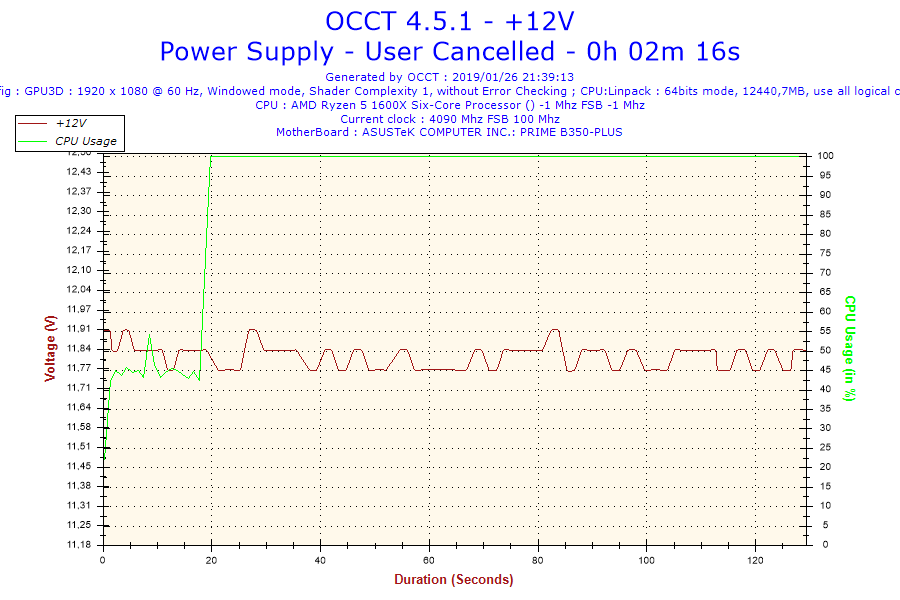
Yorus, the power supplies usually don't give problems, which gradually degrade until they start to damage the components of the equipment. And that's okay with the oscilloscope or a test program that measures the ripples of the tracks.
-
-
@juezdred said in BE CAREFUL with old power supplies, even if they are good! Group/Independently Regulated:
Hello. As some of you may already know... I work in electronics among other things.
Most of the power supplies that claim to have 2 or more rails... are false. They are soldered on the main board. Among other things for marketing. And production costs. The lines are not independent. They even share the same filter capacitors.
And that's because making a decent power supply with real multiple rails would be twice the size... the traces should be large for each rail. In addition to double the MOSFETs and double the filter capacitors.... it's not economically viable. That's why since 2013 power supplies have come with a single rail.@juezdred said in BE CAREFUL with old power supplies, even if they are good! Group/Independently Regulated:
hello again. if you want to see what type your power supply is and if it really has 2 lines of 12v or as usually happens 1, use a tester. Disconnect the cables from the power supply and measure between a connector of those that go to the motherboard and the graphics card. Specifically the yellow one. If they are separated. it shouldn't give continuity. If on the contrary, it gives you continuity it means they are the same rail
@juezdred said in BE CAREFUL with old power supplies, even if they are good! Group/Independently Regulated:
Yorus, power supplies usually don't give problems, little by little they degrade until they begin to damage the components of the equipment. and that with the oscilloscope or a test program that measures the ripples of the rails is enough.
@juezdred said in BE CAREFUL with old power supplies, even if they are good! Group/Independently Regulated:
@juezdred said in BE CAREFUL with old power supplies, even if they are good! Group/Independently Regulated:
hello again. if you want to see what type your power supply is and if it really has 2 lines of 12v or as usually happens 1, use a tester. Disconnect the cables from the power supply and measure between a connector of those that go to the motherboard and the graphics card. Specifically the yellow one. If they are separated. it shouldn't give continuity. if on the contrary, it gives you continuity it means they are the same rail
I think you are mixing apples and oranges.
In this post it is discussed that a COMPLETELY NEW but old generation power supply could cause problems with Haswell or superior hardware, due to a design issue of the 3.3, 5 and 12v lines, regardless of the number of 12v lines it has, since previously, even though they were good, they shared regulators and other components.
On the other hand, starting with Haswell there is a specification that makes them "Haswell Ready" which states that although they do not have completely separate lines, the regulators must be and that the fact that there is no load in one line should not cause a voltage increase in another.On the other hand, what you comment on is the degradation of power supplies and their capacitors over time, I won't get into that, although if Corsair gives a 10-year warranty on their power supplies I think it's because they are very sure about it.
@krampak said in BE CAREFUL with old power supplies, even if they are good! Group/Independently Regulated:
How do I know what type my power supply is? Mine is a few years old and I have it mounted with a Coffee Lake.
@krampak about how to know, you should look on your manufacturer's website if it is "Haswell Ready" in case it is from before 2013 approximately.
In my case, the Corsair HX650, there are different models depending on the years. The first one, the one that is not 80plus or anything like that, is announced as "TBD Likely compatible — currently validating" and the ones that are 80plus are listed as "YES 100% Compatible with Haswell CPUs".https://www.corsair.com/es/es/blog/haswell-compatibility-with-corsair-power-supplies
For other manufacturers and others, you will have to investigate a bit about the issue.
MAIN: Ryzen7 3800X + RTX2070Super + Asus x470 StrixF + KFA2 HOF 16GB DDR4 4000 + NVMe Samsung 970 EvoPlus 500GB + Samsung 850Pro 512GB + Samsung 860QVO 2TB + Asus Xonar STX + Phanteks Enthoo Pro M Se + Seasonic Focus+ 650W
LAPTOP: Asus Strix G531GT Intel i5 9300H + GTX1650 4GB + 16GB DDR4 2666 (8x2) + NVMe 256GB + 1TB HDD
-
@rul3s said in BE CAREFUL with old fonts, even if they are good! Group/Independently Regulated:
it's probably from before 2013 approximately.
Well, it doesn't say anything like that... I also don't remember exactly what year I bought it

Although to be honest, I'm not even sure if I have the C7 activated... I'd have to check xD
-
@krampak said in BE CAREFUL with old fonts, even if they are good! Group/Independently Regulated:
@rul3s said in BE CAREFUL with old fonts, even if they are good! Group/Independently Regulated:
it was before 2013 approximately.
Well, it doesn't say anything like that... I also don't remember exactly in what year I bought it
Although, to be honest, I don't even know if I have C7 activated... I would have to check it xD
What exact model is yours?
Anyway, if you are in doubt, disable C6 and C7 just in case and that's it!MAIN: Ryzen7 3800X + RTX2070Super + Asus x470 StrixF + KFA2 HOF 16GB DDR4 4000 + NVMe Samsung 970 EvoPlus 500GB + Samsung 850Pro 512GB + Samsung 860QVO 2TB + Asus Xonar STX + Phanteks Enthoo Pro M Se + Seasonic Focus+ 650W
LAPTOP: Asus Strix G531GT Intel i5 9300H + GTX1650 4GB + 16GB DDR4 2666 (8x2) + NVMe 256GB + 1TB HDD
-
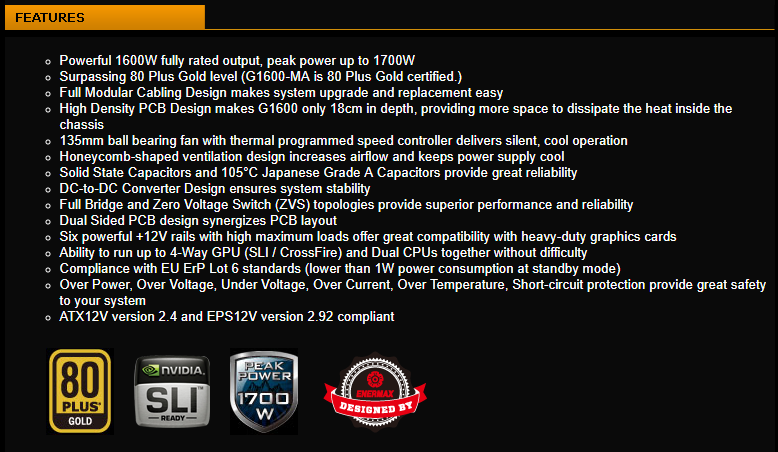
@rul3s A LEPA G1600. Now I see that in the Max Platinum series, the Haswell Ready label does appear, so possibly mine is not.





Hello! It looks like you're interested in this conversation, but you don't have an account yet.
Getting fed up of having to scroll through the same posts each visit? When you register for an account, you'll always come back to exactly where you were before, and choose to be notified of new replies (either via email, or push notification). You'll also be able to save bookmarks and upvote posts to show your appreciation to other community members.
With your input, this post could be even better 💗
Registrarse Conectarse